
The Psychology of One-to-One Teaching (Why Personalized Learning Works)
Discover key challenges and opportunities in online learning — and how Work4U-Tutor is building a global community that empowers tutors and learners.
The Psychology of One-to-One Teaching (Why Personalized Learning Works)
Discover key challenges and opportunities in online learning — and how Work4U-Tutor is building a global community that empowers tutors and learners.
The Psychology of One-to-One Teaching (Why Personalized Learning Works)
Discover key challenges and opportunities in online learning — and how Work4U-Tutor is building a global community that empowers tutors and learners.
One-to-one teaching is one of the most effective educational methods, but its power goes beyond simply focusing on one student at a time. Understanding the psychology behind personalized learning helps tutors, educators, and parents unlock a student’s full potential.
Tailoring instruction to a student’s individual needs, pace, and learning style doesn’t just improve academic performance—it also boosts motivation, confidence, and longterm engagement.

Personalized Attention Increases Engagement
In one-to-one teaching, students receive the full attention of the tutor. This personalized focus allows tutors to adjust lessons in real-time based on the student’s understanding and reactions.
Psychologically, this attention makes students feel valued and understood, increasing intrinsic motivation to learn. When students know their specific struggles are being addressed, they are more likely to participate actively and retain information.
Builds Confidence Through Immediate Feedback
Immediate feedback is a key psychological benefit of one-to-one learning. Students can ask questions without hesitation and receive instant clarification, reducing frustration and confusion.
Positive reinforcement and constructive correction in real-time help build self-efficacy. As students experience small successes consistently, they gain confidence in their abilities, which encourages a growth mindset and a willingness to tackle challenges.

Adapts to Individual Learning Styles
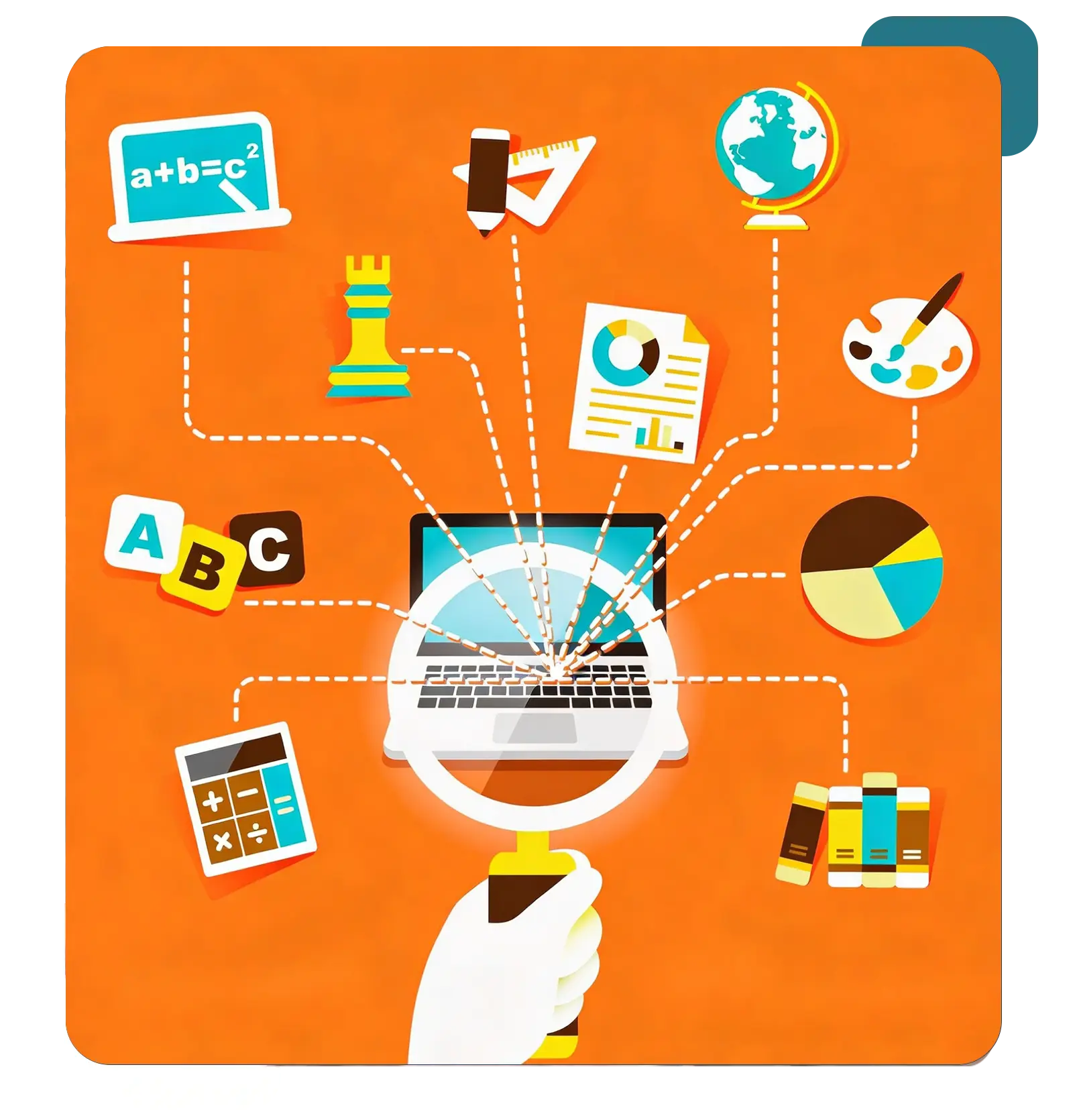
Everyone processes information differently—some students are visual learners, others are auditory or kinesthetic. One-to-one teaching allows instruction to be customized to match the student’s preferred learning style.
This tailored approach reduces cognitive overload and increases comprehension. By aligning teaching methods with how the brain learns best, tutors make learning feel easier and more enjoyable.
Encourages Self-Reflection and Metacognition
One-to-one teaching provides the opportunity for students to reflect on their learning process. Tutors can ask guiding questions that promote self-awareness: How did you solve that problem? What strategy worked best?
Developing metacognitive skills—the ability to think about thinking—empowers students to become independent learners. They learn to monitor their progress, adjust strategies, and set personal goals.

Strengthens Emotional Connection and Trust
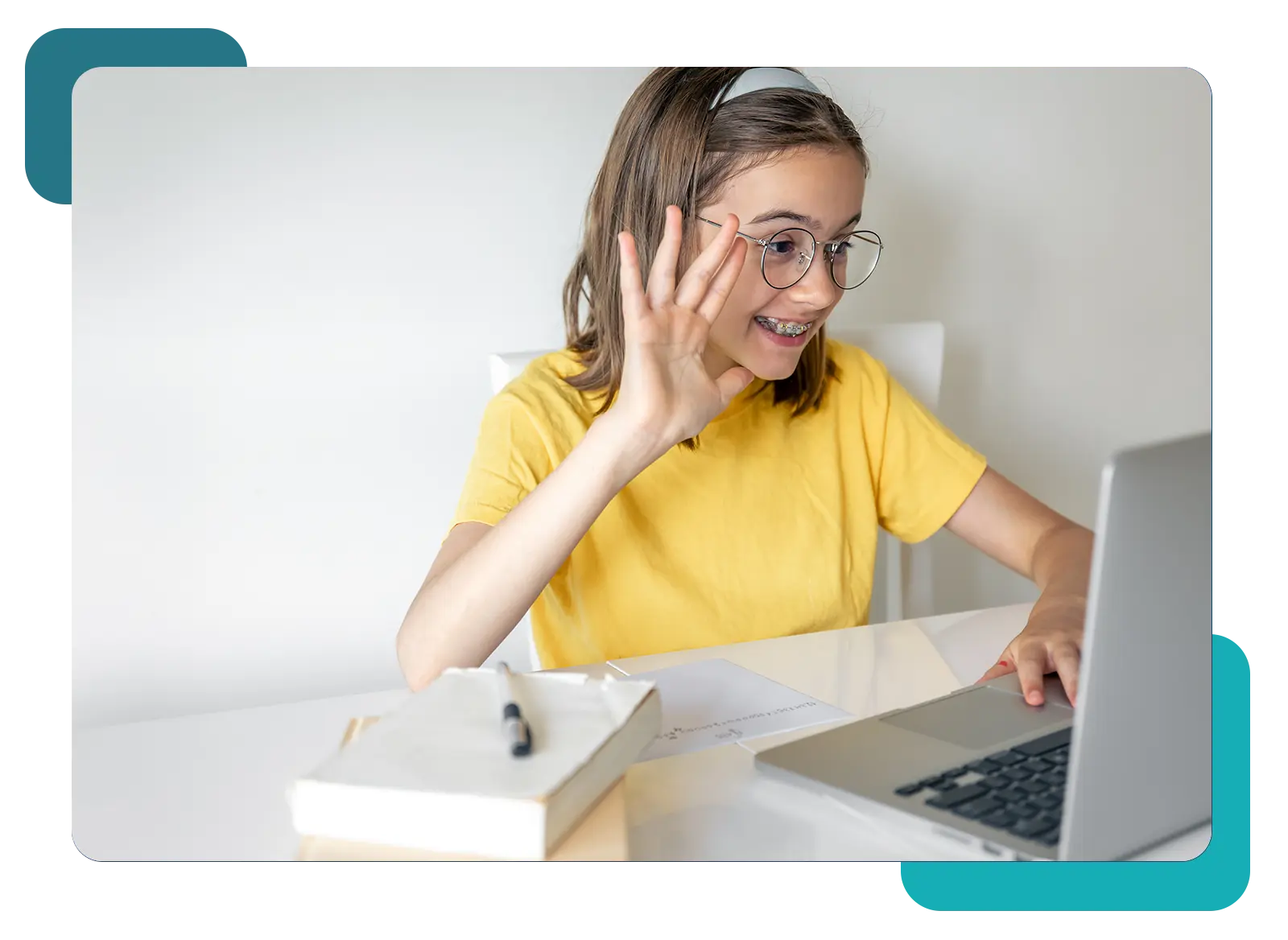
A strong tutor-student relationship is central to one-to-one teaching. When students feel heard and supported, they are more likely to take academic risks and persist through challenges.
The psychological safety created by trust encourages open communication and reduces anxiety, which further improves learning outcomes. Students not only learn better—they also develop resilience and emotional intelligence.
Final Thoughts
The psychology of one-to-one teaching explains why it is so effective. By providing personalized attention, immediate feedback, tailored learning, opportunities for reflection, and a trusting relationship, tutors can maximize a student’s academic performance and confidence.
One-to-one teaching isn’t just about teaching more efficiently—it’s about teaching smarter, addressing both the cognitive and emotional needs of the student. Understanding the psychological principles behind personalized learning ensures that tutors help students thrive, not just academically, but personally as well.