Is Online Learning Safe? What Parents Should Really Know
Discover key challenges and opportunities in online learning — and how Work4U-Tutor is building a global community that empowers tutors and learners.
Is Online Learning Safe? What Parents Should Really Know
Discover key challenges and opportunities in online learning — and how Work4U-Tutor is building a global community that empowers tutors and learners.
Is Online Learning Safe? What Parents Should Really Know
Discover key challenges and opportunities in online learning — and how Work4U-Tutor is building a global community that empowers tutors and learners.
Online learning has become a standard part of modern education. From virtual classrooms and tutoring apps to recorded lessons and digital assignments, students now spend more time learning through screens than ever before.
But many parents still ask an important question: is online learning safe?
The answer isn’t simply yes or no. Online learning can be safe, effective, and empowering — but only when the right precautions are in place. Here’s what parents need to understand about online learning safety.
Digital Privacy and Data Protection
Most online education platforms require students to create accounts, submit assignments, and sometimes participate in live video sessions. This makes digital safety for students a top priority.
Before enrolling your child, review:
- What personal information is collected
- Whether secure logins and two-factor authentication are available
- If live sessions are encrypted
- How student data is stored and protected
Reputable platforms clearly explain their privacy policies and data protection measures. Protecting children in online education starts with understanding how their information is handled.
Online Interaction Risks
Virtual classrooms often include chat features, discussion boards, and live video sessions. While these tools enhance learning, they may also expose students to risks such as cyberbullying, inappropriate messages, or strangers posing as classmates.
To reduce online classroom risks:
- Choose platforms with moderated discussions
- Enable waiting rooms for video sessions
- Teach your child not to share personal details
- Monitor communication when appropriate
Open conversations at home are essential. When teens feel comfortable reporting concerns, cyber safety for teens becomes much more manageable.

Screen Time and Student Wellbeing
Safety isn’t just about privacy – it’s also about physical and mental health. Extended screen time may lead to eye strain, fatigue, reduced physical activity, and sleep disruption.
- Parents can support healthy habits by:
- Setting structured learning schedules
- Encouraging regular breaks
- Promoting offline hobbies and exercise
- Creating device-free bedtime routines
Balancing screen time and mental health is a key part of safe e-learning.
How to Choose a Safe Learning Platform
Not all online programs offer the same level of quality or protection. When evaluating safe e-learning platforms, consider:
- Instructor qualifications
- Age-appropriate, structured curriculum
- Parent reviews and testimonials
- Progress tracking and feedback systems
A truly safe online learning environment combines digital protection with strong educational standards.
Practical Safety Tips for Parents
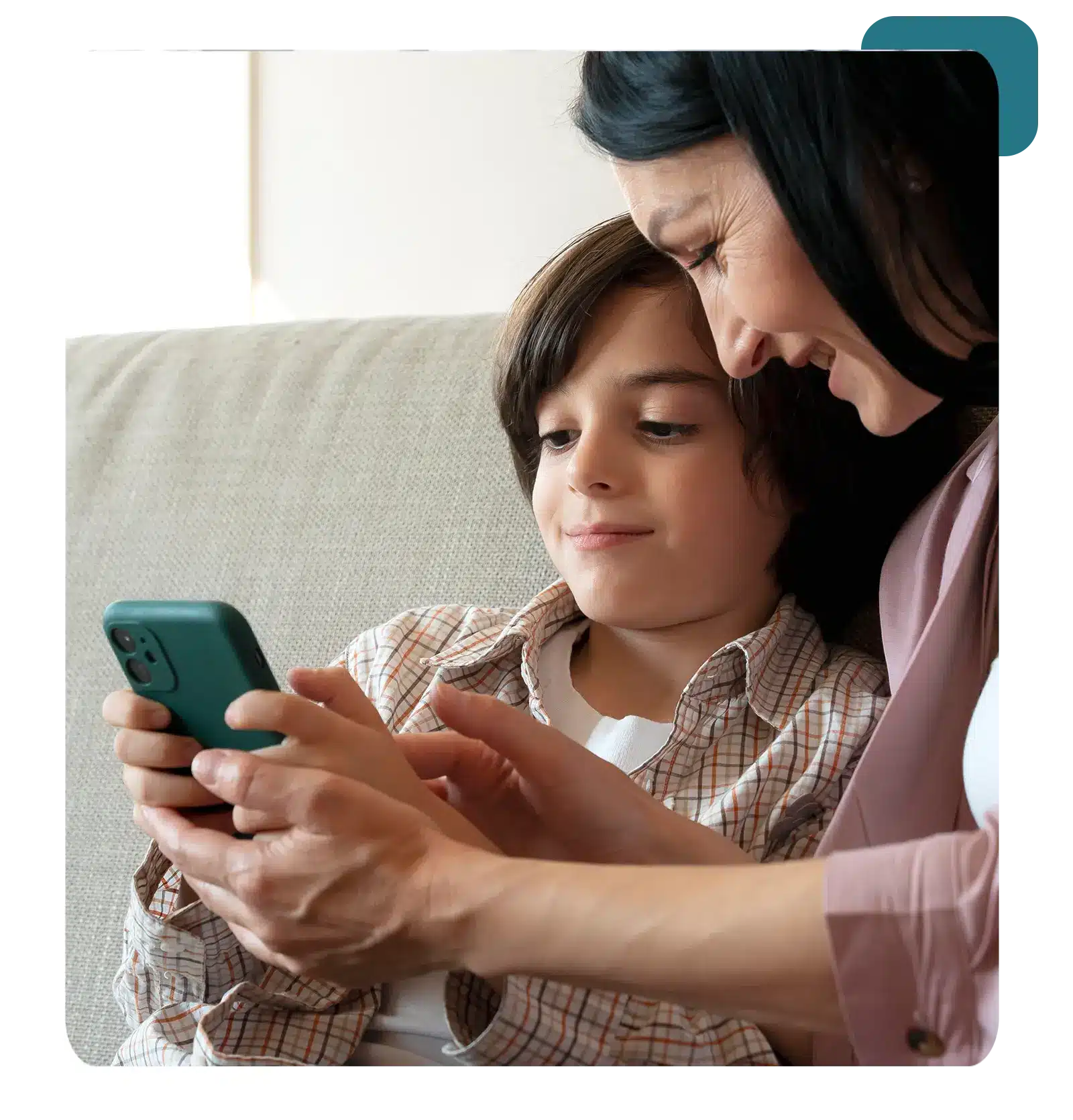
You don’t need to supervise every lesson — especially with teenagers — but some guidance is helpful. Practical online school safety tips include:
- Keeping devices in shared family areas
- Using parental controls when necessary
- Discussing online boundaries openly
- Periodically reviewing activity if appropriate
Trust, paired with awareness, creates a safer experience.
So, Is Online Learning Safe?
Yes – when managed thoughtfully.
Online education can be flexible, accessible, and highly effective. However, it requires informed parents, clear boundaries, and careful platform selection.
The most powerful safety tool isn’t software – it’s communication. When children understand digital responsibility and feel supported at home, online learning becomes a secure and valuable part of their education.