
AI in Education: Help or Harm?
Discover key challenges and opportunities in online learning — and how Work4U-Tutor is building a global community that empowers tutors and learners.
AI in Education: Help or Harm?
Discover key challenges and opportunities in online learning — and how Work4U-Tutor is building a global community that empowers tutors and learners.
AI in Education: Help or Harm?
Discover key challenges and opportunities in online learning — and how Work4U-Tutor is building a global community that empowers tutors and learners.
Artificial intelligence (AI) is rapidly transforming education, from personalized tutoring apps to automated grading systems. While AI offers exciting possibilities, it also raises concerns about distraction, equity, and the role of human guidance. Understanding both sides of AI in education is essential for students, educators, and parents.
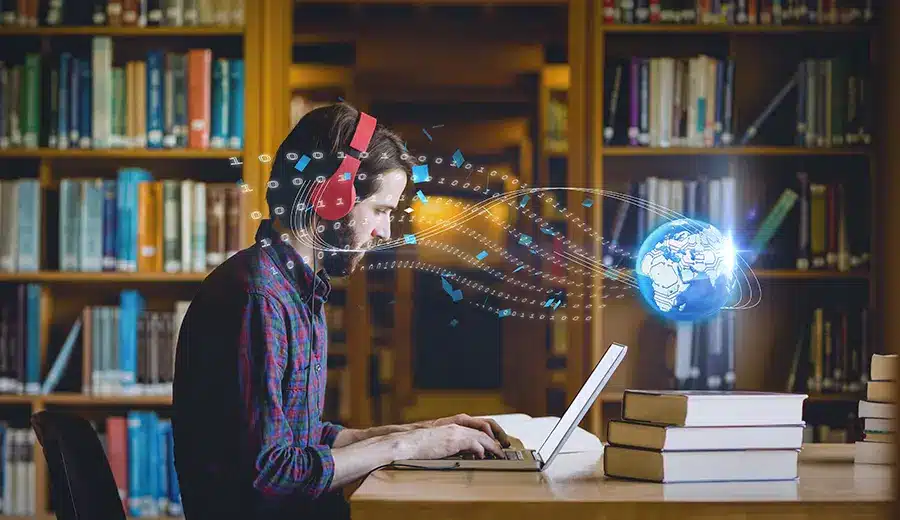
How AI Can Help Students Learn
AI offers several benefits that can enhance learning outcomes:
- Personalized Learning: AI adapts to a student’s strengths, weaknesses, and pace, providing tailored exercises and targeted feedback.
- Instant Feedback and Assessment: Automated systems help students identify mistakes and improve skills quickly.
- Access to Resources: AI-powered platforms provide interactive lessons, simulations, and learning materials that go beyond textbooks.
- Support for Tutors and Teachers: AI can handle administrative tasks, analyze performance data, and suggest effective teaching strategies, allowing educators to focus on guidance and mentorship.
When used thoughtfully, AI can accelerate learning, increase engagement, and support
student success.
Potential Drawbacks of AI in Education
Despite its benefits, AI also presents challenges:
- Reduced Human Interaction: Overreliance on AI may limit student-teacher relationships, emotional support, and mentorship.
- Distraction Risks: Some AI tools, especially gamified apps, can encourage multitasking or focus on entertainment over learning.
- Equity Concerns: Access to AI-driven platforms can vary, potentially widening educational gaps.
- Critical Thinking Limitations: If students rely solely on AI for answers, they may miss opportunities to develop independent problem-solving skills.
AI is not a replacement for human guidance—it is a tool that must be integrated thoughtfully into education.

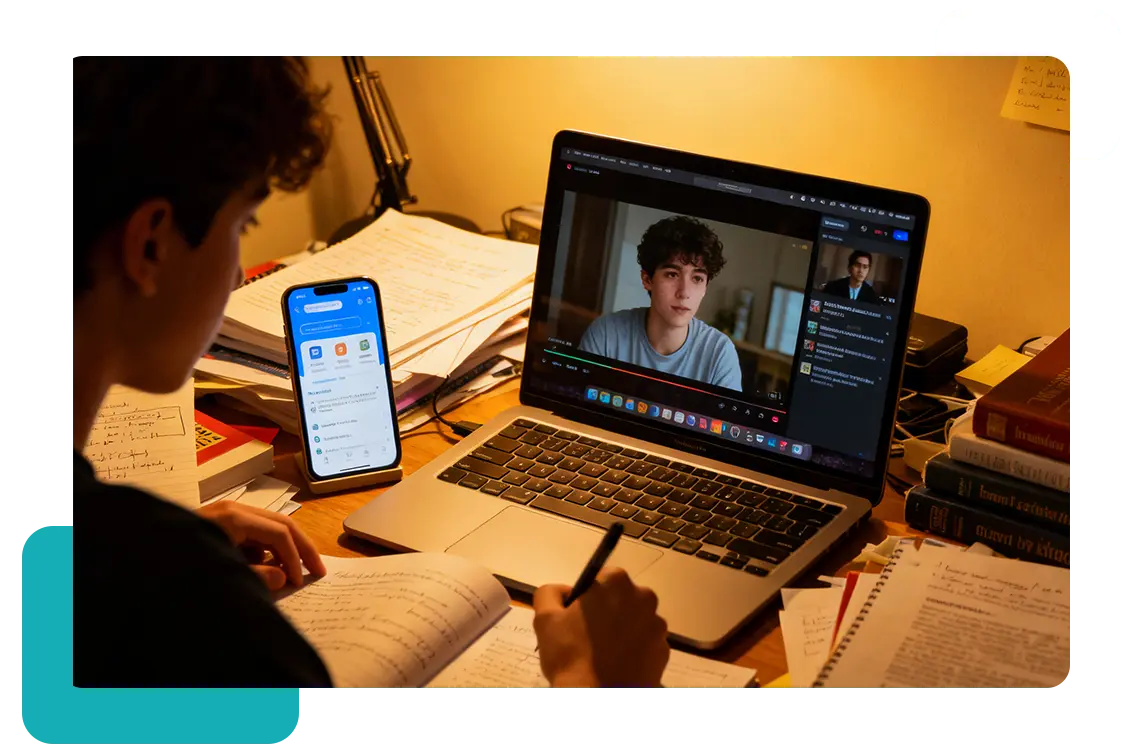
Finding the Balance
- Combine AI tools with one-to-one tutoring or classroom guidance.
- Teach students how to critically evaluate AI feedback and resources.
- Limit passive or entertainment-focused AI use.
- Ensure equitable access to AI-powered learning platforms.
Tutors’ Role in the AI Era
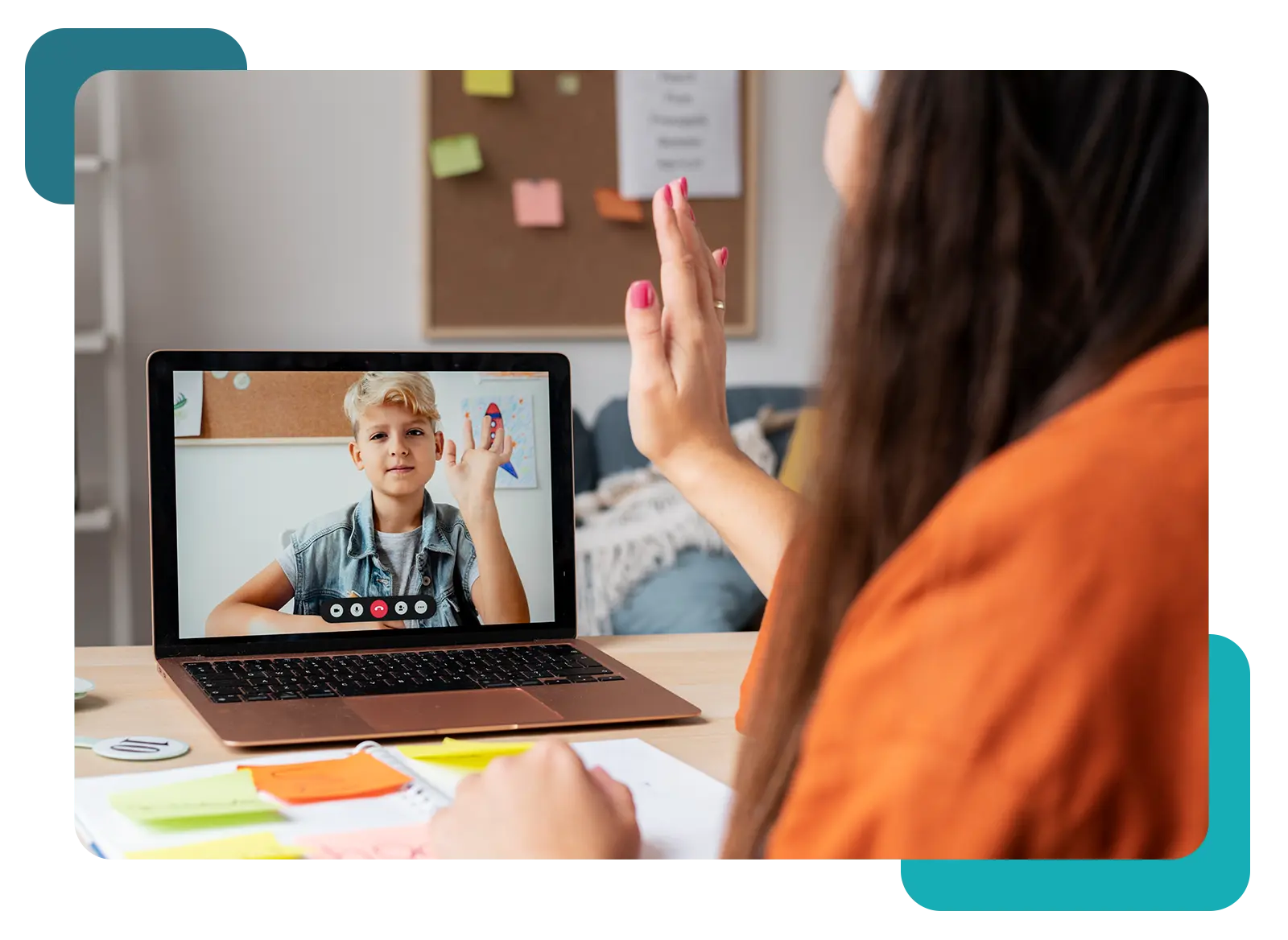
Tutors play a critical role in guiding students through AI-enhanced learning:
- Helping students use AI tools effectively and responsibly
- Providing personalized support that AI cannot replicate
- Encouraging reflection, problem-solving, and creativity
- Ensuring emotional and social development alongside academic growth
AI is a powerful tool, but the human element remains irreplaceable in education.

Final Thoughts
AI in education is neither inherently good nor bad—it’s a tool that can help or harm depending on how it is used.
When combined with human guidance, personalized teaching, and thoughtful integration, AI can accelerate learning, provide tailored support, and expand access to resources. However, without careful use, it may encourage distraction, dependency, or inequality.
The future of education will depend on finding the right balance between AI innovation and human mentorship.