Signs Your Child Is Struggling at School (And What to Do)
Discover key challenges and opportunities in online learning — and how Work4U-Tutor is building a global community that empowers tutors and learners.
Signs Your Child Is Struggling at School (And What to Do)
Discover key challenges and opportunities in online learning — and how Work4U-Tutor is building a global community that empowers tutors and learners.
Signs Your Child Is Struggling at School (And What to Do)
Discover key challenges and opportunities in online learning — and how Work4U-Tutor is building a global community that empowers tutors and learners.
Every child faces challenges in school from time to time. However, when difficulties persist, they may signal a deeper issue that needs attention. Recognizing the early signs your child is struggling at school can help you provide the right support before problems grow. Academic challenges, emotional stress, or social difficulties can all affect performance — but with timely action, most issues can be addressed effectively.
Sudden Drop in Grades
One of the clearest warning signs is a noticeable decline in grades. If your child’s performance falls unexpectedly, it may indicate difficulty understanding the material, trouble keeping up with assignments, or lack of motivation. Consistent low scores, missing homework, or incomplete projects should not be ignored.
What to do: Talk calmly with your child about what’s changed. Reach out to teachers for insight and identify whether extra academic support or tutoring might help.
Loss of Interest in School
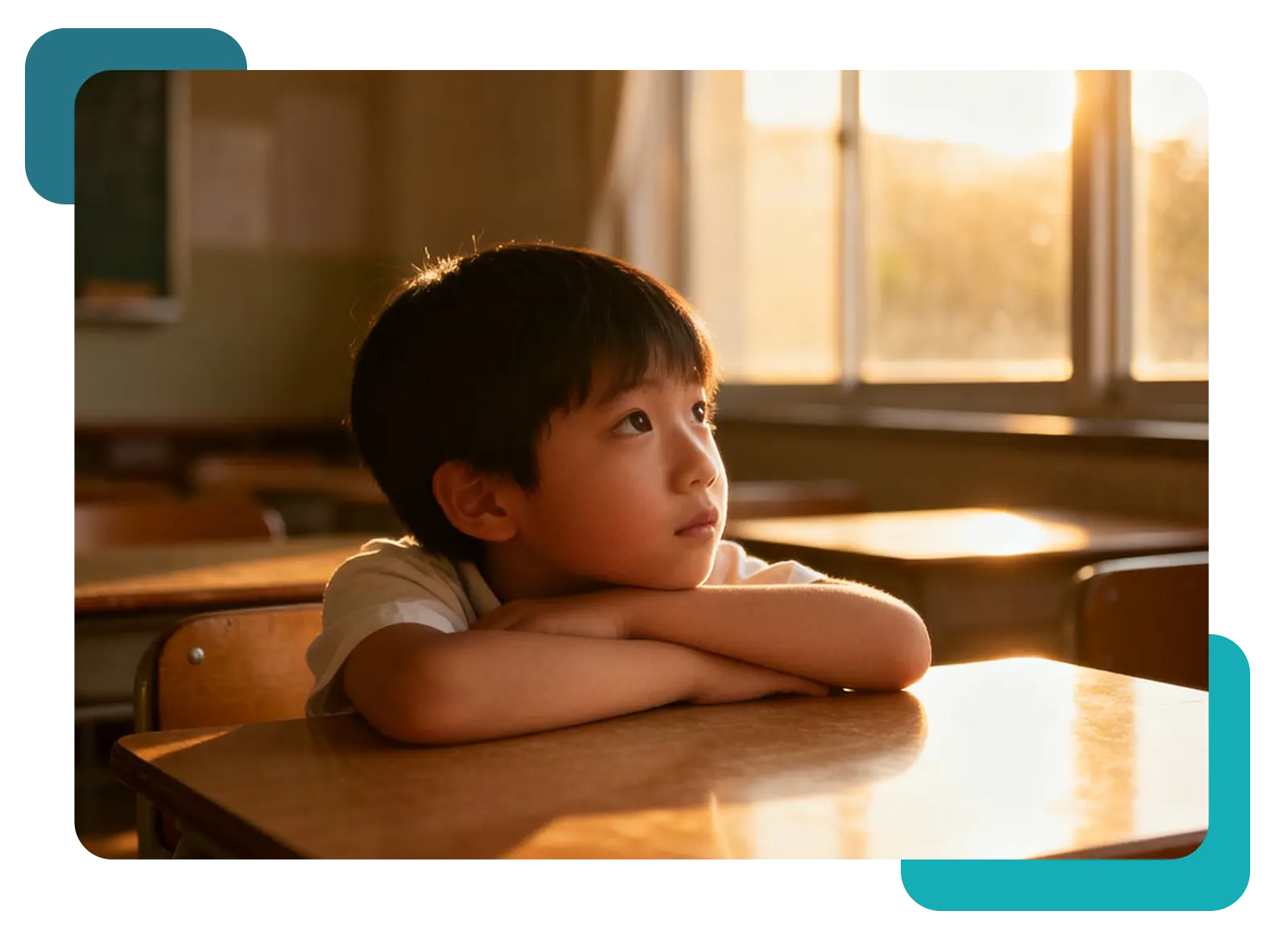
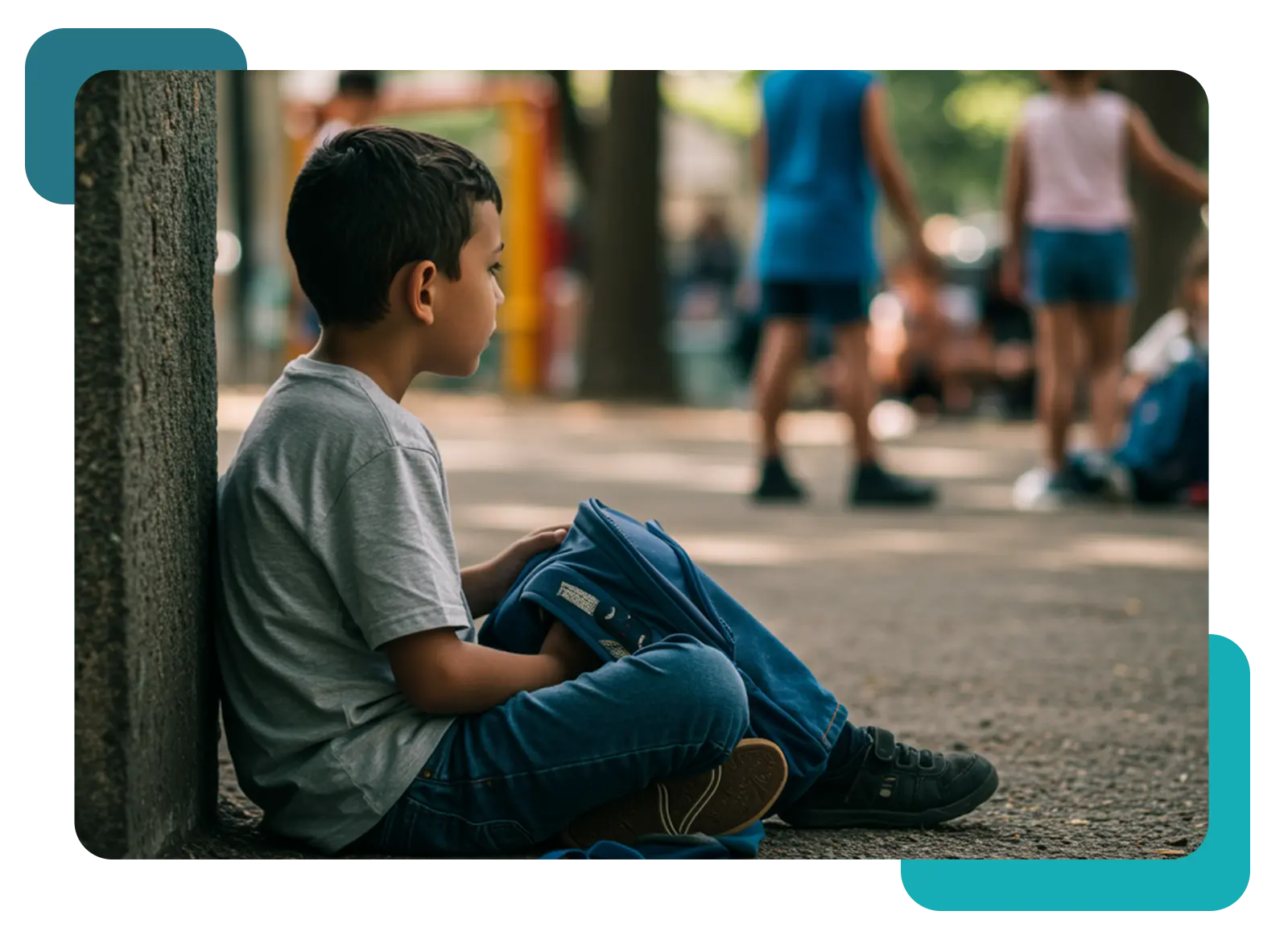
Children who once enjoyed school but suddenly seem uninterested or resistant may be struggling. Complaints about boredom, frequent excuses to avoid school, or a negative attitude toward classes can signal academic frustration or social challenges.
What to do: Ask open-ended questions about their day. Listen without judgment. Understanding whether the issue is academic, social, or emotional is key to finding the right solution.
Increased Anxiety or Mood Changes
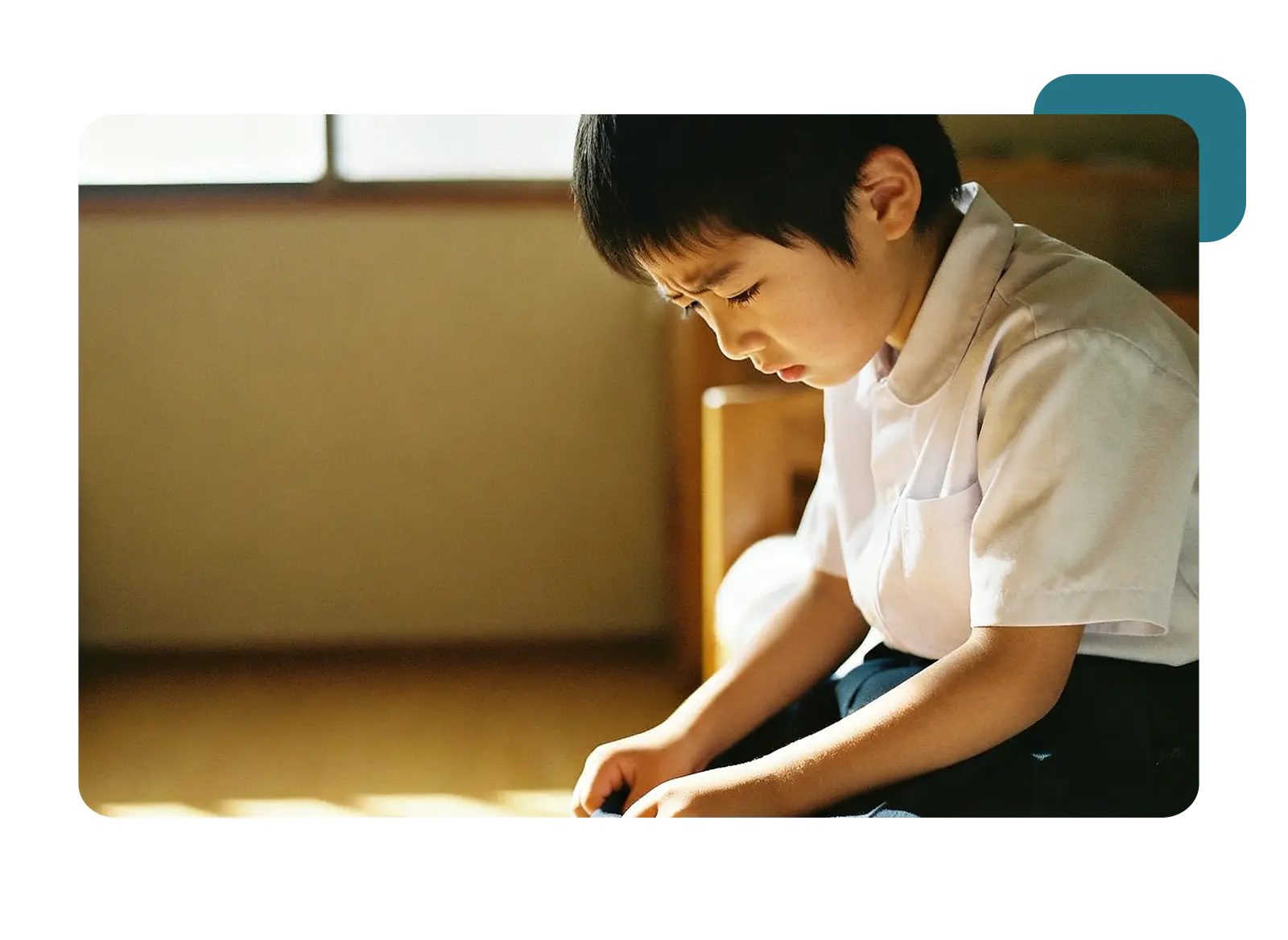
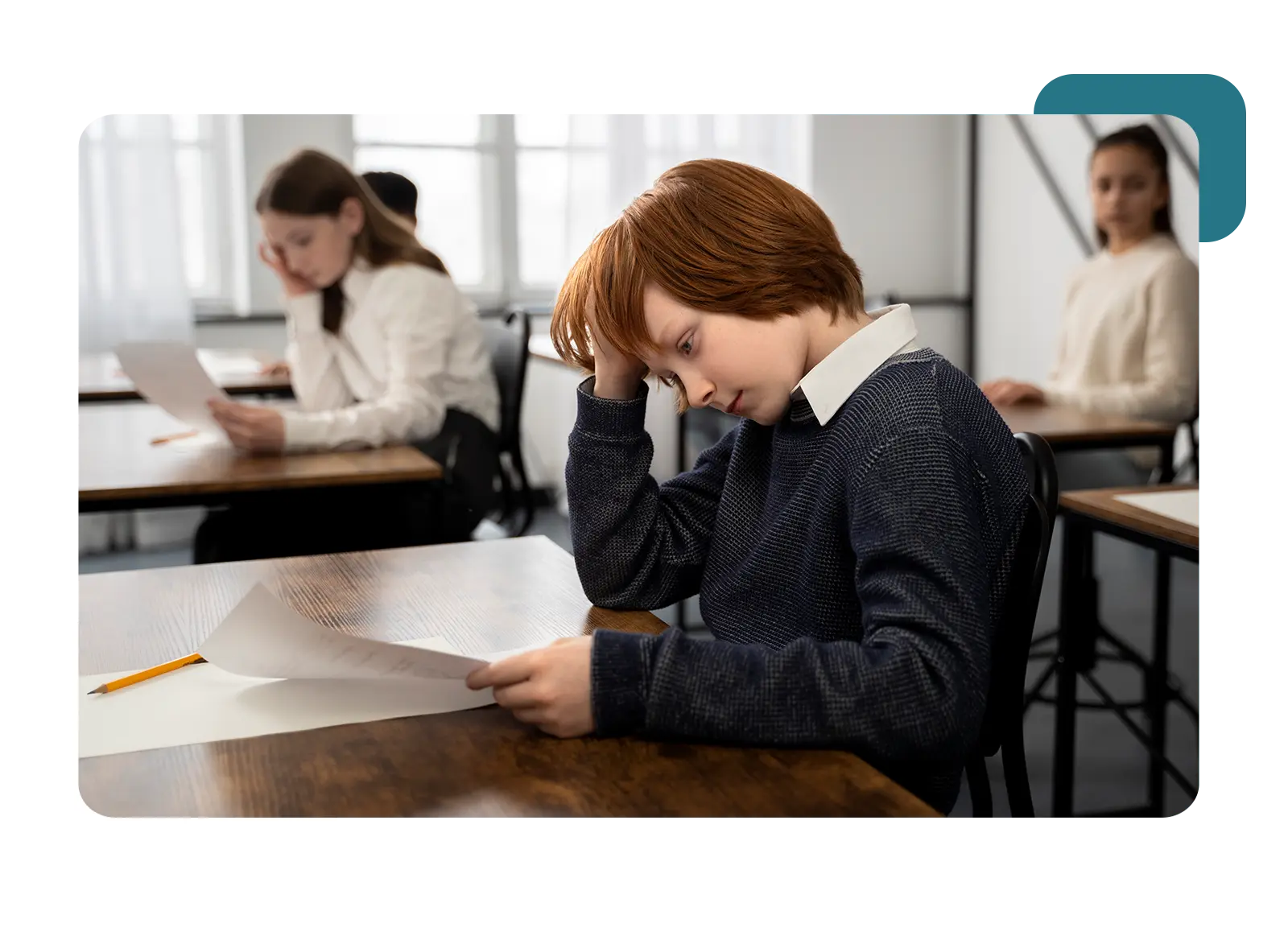
School struggles often show up emotionally. Signs may include irritability, anxiety about tests, difficulty sleeping, or frequent stomachaches before school. Stress related to schoolwork, peer relationships, or performance pressure can impact overall wellbeing.
What to do: Reassure your child that challenges are normal and manageable. Establish consistent routines and consider speaking with a school counselor if anxiety persists.
Avoiding Homework or Studying
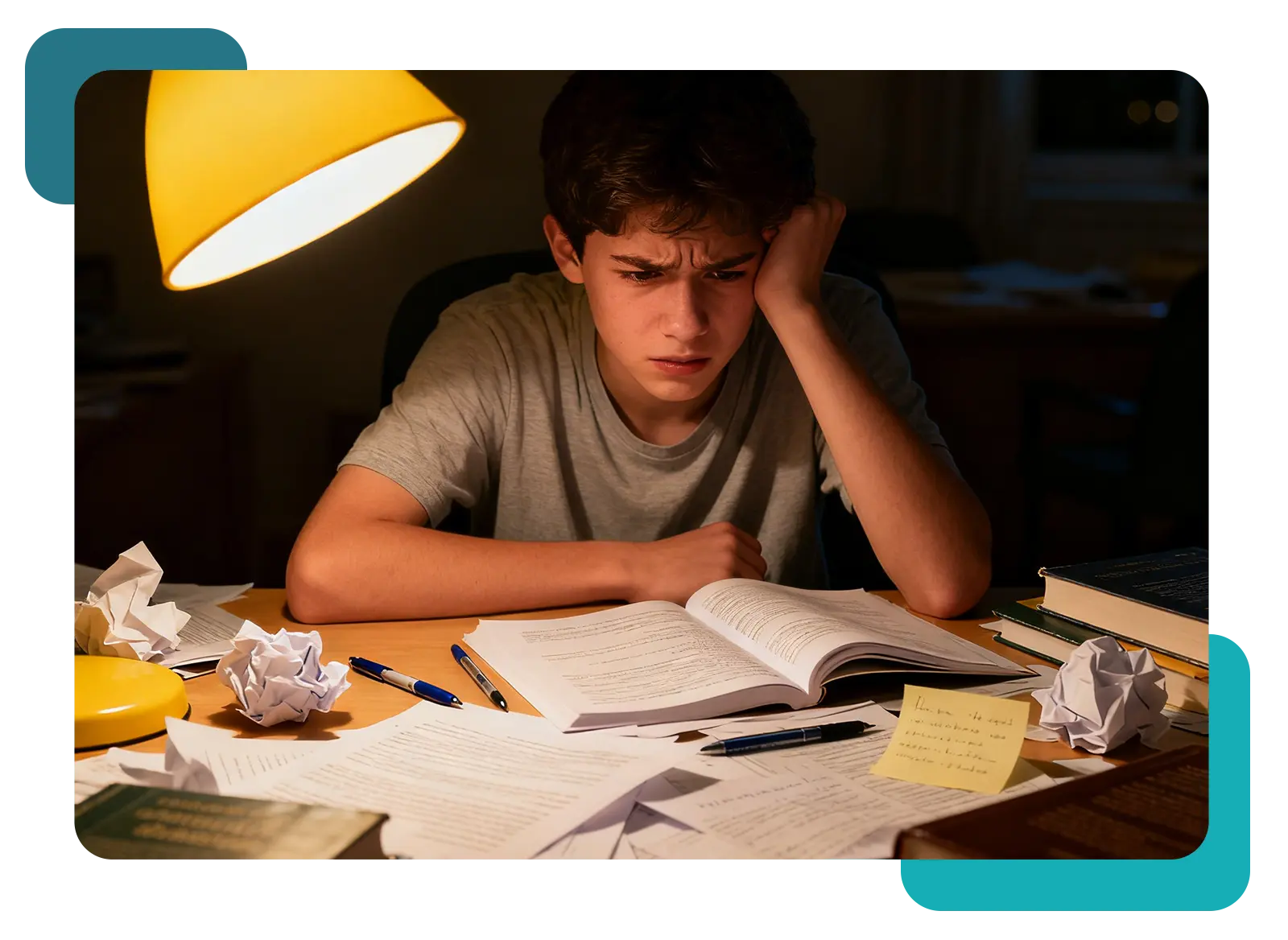
Procrastination, incomplete assignments, or refusal to study may indicate your child feels overwhelmed or unsure how to begin. Avoidance is often a coping mechanism when students lack confidence in a subject.
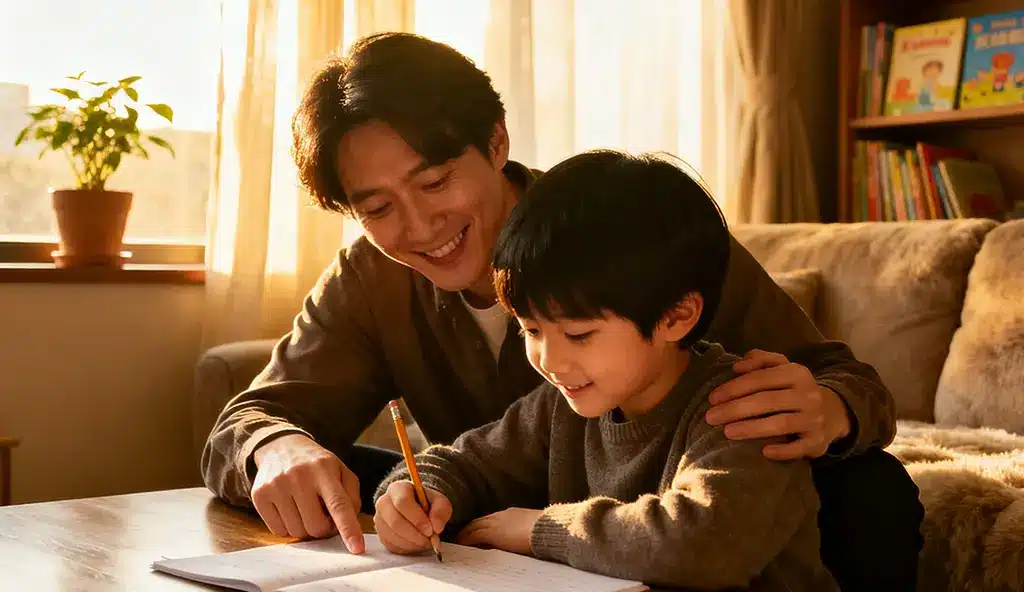
What to do: Create a structured homework schedule and break tasks into smaller steps. Offer guidance without taking over. If needed, explore extra academic support.
Negative Feedback from Teachers
Frequent notes about behavior, incomplete work, or classroom disengagement suggest your child may be struggling beyond what you see at home. Teachers can provide valuable perspective on patterns and changes.
What to do: Schedule a meeting to discuss concerns and collaborate on strategies. Consistent communication between parents and teachers improves outcomes.
Changes in Social Behavior
School isn’t just academic — it’s social. Withdrawal from friends, conflicts with classmates, or reluctance to participate in activities can affect performance and confidence.
What to do: Encourage conversations about friendships and peer experiences. Support positive social opportunities and monitor for signs of bullying if suspected.
What Parents Can Do Next
If you notice multiple signs your child is struggling at school, early intervention is essential. Consider these steps:
Maintain open and supportive communication
Partner with teachers and school staff
Establish consistent routines at home
Encourage balanced screen time and rest
Explore tutoring or additional academic resources
Most importantly, remind your child that setbacks do not define their abilities. Support, patience, and understanding can rebuild both skills and confidence.
Final Thoughts
School struggles are common — but they should never be ignored. The earlier you recognize the signs, the easier it is to provide meaningful help. With encouragement and the right strategies, children can overcome academic challenges and regain their confidence.